
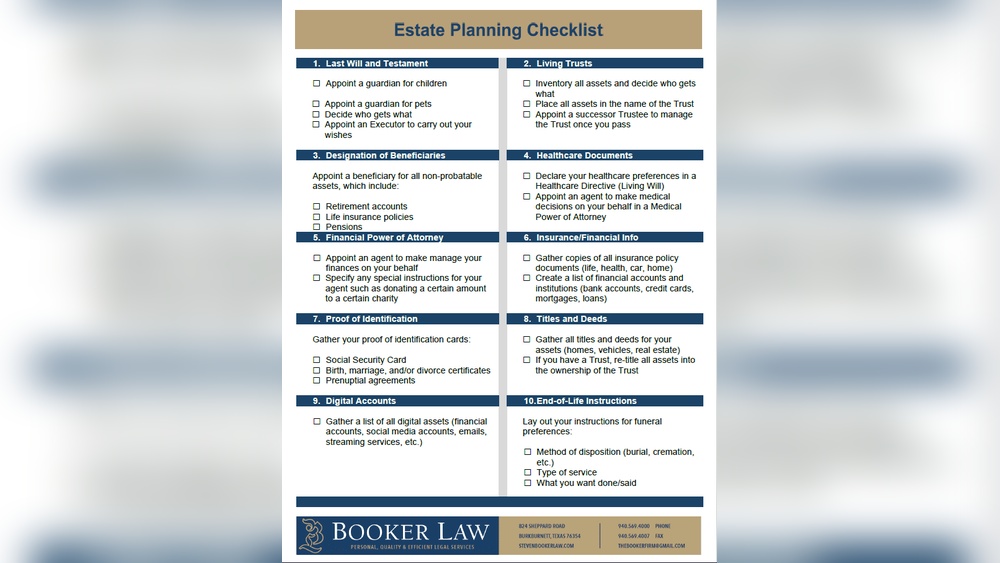
Planning who will receive your policy benefits might seem simple, but it’s actually one of the most important decisions you’ll make for your loved ones’ future. If you want to make sure your assets go exactly where you intend—without confusion, delays, or legal hassles—then this Policy Beneficiary Planning Guide is for you.
You’ll discover easy steps to organize your beneficiary information clearly, avoid common mistakes, and protect your family’s financial security. Keep reading, and you’ll gain the confidence and knowledge to take control of your policy benefits today.
Choosing Beneficiaries
Primary beneficiaries receive benefits first. They are the main people or entities named in your policy. Secondary beneficiaries get benefits only if the primary ones cannot. Naming both ensures your benefits go to the right people.
Contingent beneficiaries act as a backup. They get benefits if both primary and secondary beneficiaries are not available. This helps avoid delays and legal issues in benefit payments.
Regularly updating beneficiary information is very important. Life events like marriage, divorce, or birth can change who you want to benefit. Check your beneficiary details every year to keep your plan current and accurate.
Types Of Assets To Include
Retirement accounts include 401(k)s, IRAs, and pensions. These accounts usually have designated beneficiaries. Naming a beneficiary ensures assets go directly to them without probate delays.
Life insurance policies provide a death benefit to named beneficiaries. Make sure these policies list current beneficiaries. This helps avoid confusion or disputes later.
Bank and investment accounts can have payable-on-death (POD) or transfer-on-death (TOD) designations. These allow funds to pass directly to beneficiaries without probate. Regularly check these designations for accuracy.
Trusts and other assets include property, valuable collections, or business interests. Trusts can manage how and when beneficiaries receive assets. Including all assets in planning helps protect your loved ones’ future.
Legal Documents For Planning
Wills and trusts are key legal documents for managing your assets. A will states who gets your property after you pass away. A trust helps manage assets during your life and after death, often avoiding court delays.
Beneficiary designation forms name who receives certain assets like retirement accounts or life insurance. These forms work outside of wills, so keep them updated.
Power of attorney lets someone make financial or legal decisions for you if you cannot. Choose someone you trust to act on your behalf.
Healthcare directives explain your medical wishes if you cannot speak for yourself. They guide doctors and loved ones in tough situations.

Tax And Financial Considerations
Estate taxes can reduce the total amount your beneficiaries receive. Each state and the federal government sets exemptions that protect a certain amount from taxes. Planning can help keep more money in the family. Understanding the current estate tax limits is important to avoid surprises.
The financial impact on beneficiaries depends on how assets are transferred. Some assets might be taxed more heavily than others. Using trusts or other legal tools can help reduce tax burdens. Beneficiaries may face income taxes on certain inherited assets, like retirement accounts.
| Consideration | Effect | Planning Tip |
|---|---|---|
| Estate Taxes | Reduces inheritance value | Use exemptions and gifts |
| Income Taxes | Applies to some inherited assets | Choose tax-efficient accounts |
| Trusts | Protects assets and controls distribution | Set up early with a lawyer |
Using A Beneficiary Planner
Start by gathering essential information like full names, dates of birth, and contact details of each beneficiary. Include Social Security numbers and relationship to you. This helps avoid confusion later.
Organize all important documents in one place. This includes life insurance policies, retirement accounts, wills, and trusts. Use folders or digital files for easy access. Label each document clearly.
Sharing the planner with loved ones is very important. It ensures they know where to find key information. Consider giving copies to trusted family members or your legal advisor. This reduces stress during difficult times.

Common Mistakes To Avoid
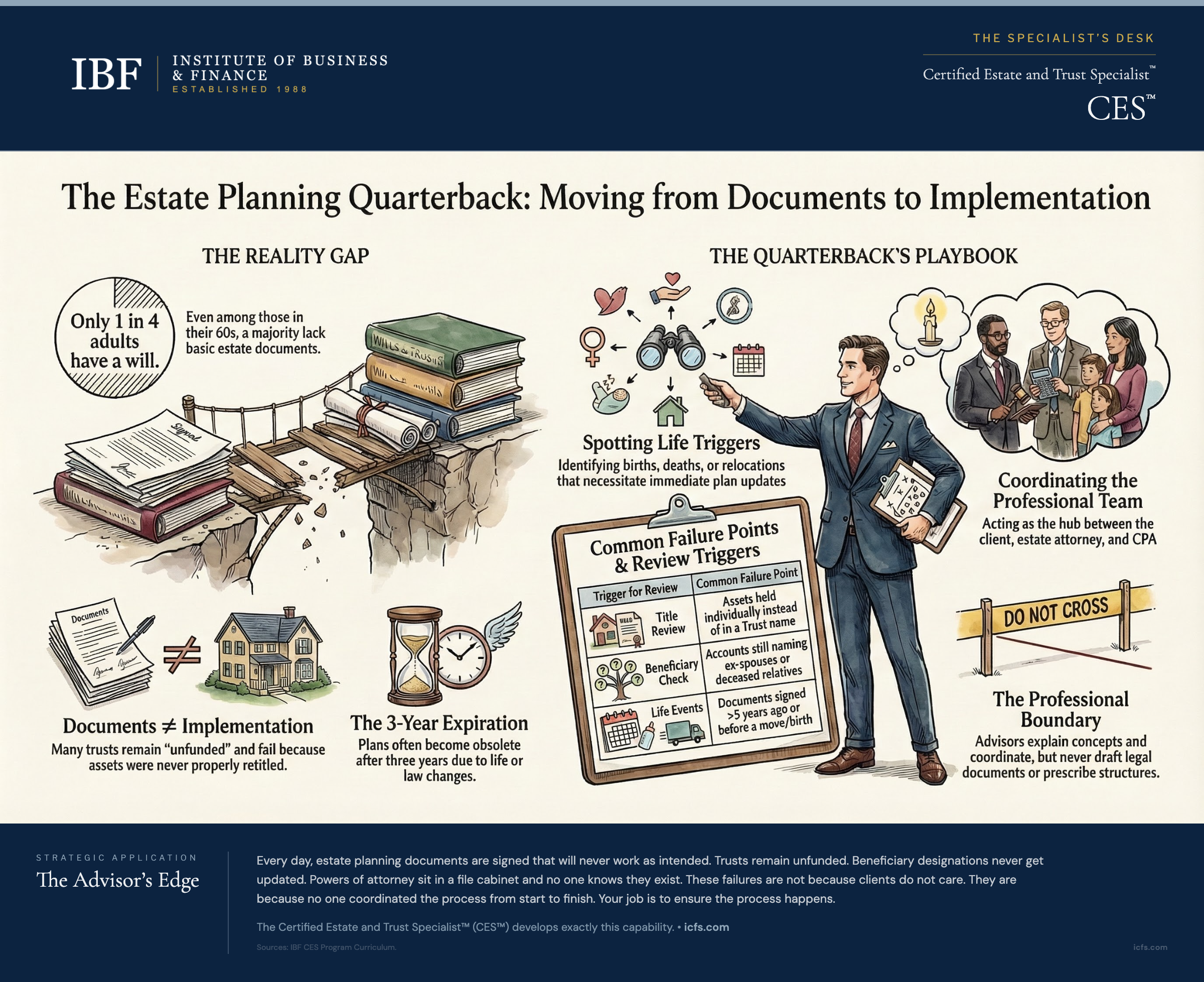
Not updating beneficiaries after major life events causes serious problems. People often forget to change beneficiaries after marriage, divorce, or birth of a child. This can lead to unintended recipients getting benefits.
Secondary beneficiaries are important but often overlooked. If the primary beneficiary is unable to inherit, the secondary beneficiary receives the assets. Without a listed secondary beneficiary, assets may go to the estate, causing delays.
Failing to discuss your plans with your beneficiaries creates confusion. Clear communication helps avoid disputes and ensures everyone understands your wishes. It also reduces stress for your loved ones during difficult times.
Working With Professionals
Estate planning attorneys help create legal documents for your assets. They make sure your wishes are clear and followed. Their work includes wills, trusts, and powers of attorney. You need an attorney to avoid legal problems later.
Financial advisors guide you in managing your money wisely. They help plan your investments and savings. Advisors work to protect your assets and grow your estate. Their advice is key for long-term financial security.
Insurance agents assist in choosing the right insurance policies. They explain coverage options for life, health, and property. Insurance protects your beneficiaries from unexpected costs. Agents help make sure your family is financially safe.
Special Considerations
Planning for minor beneficiaries needs special care. A minor cannot directly receive insurance money. Setting up a trust or custodial account helps manage funds until they reach adulthood. Choose a trusted adult as a custodian or trustee. This ensures money is used for the child’s benefit, like education or health expenses.
Charitable beneficiary options allow giving to causes you care about. You can name a charity as a beneficiary or create a trust that supports charitable work. This helps continue your support even after you are gone. It also may offer tax benefits to your estate.
Blended families often have complex beneficiary situations. Clear communication and careful paperwork avoid conflicts. Consider naming primary and secondary beneficiaries. Think about how to fairly provide for all family members, including stepchildren and former spouses.
Frequently Asked Questions
What Is Policy Beneficiary Planning?
Policy beneficiary planning ensures your assets pass smoothly to chosen individuals. It helps avoid legal complications and provides financial security to your loved ones.
Why Is Beneficiary Designation Important?
Beneficiary designation directs where your insurance and retirement assets go. It overrides wills, so keeping it updated is crucial for your estate plan.
How Do I Choose The Right Beneficiary?
Select trustworthy individuals or entities who will manage assets responsibly. Consider secondary beneficiaries to cover unexpected situations and ensure your wishes are honored.
Can I Change My Policy Beneficiaries Anytime?
Yes, you can update beneficiaries anytime by submitting a form to your insurer. Regular reviews ensure your designations reflect life changes like marriage or divorce.
Conclusion
Planning your policy beneficiaries carefully protects your loved ones. Keep your beneficiary information updated and clear. Review your designations regularly to avoid unwanted surprises. Share your plans with trusted family members or advisors. This simple step helps ensure your wishes are honored.
Taking time now saves confusion and stress later. Start your beneficiary planning today for peace of mind.
Read More
- Employer Liability Policy Guide: Essential Tips for Protection
- Business Interruption Policy Cost: How to Save Big and Stay Protected
- Contractor Policy Coverage Quote: Get the Best Rates Today!
- Commercial Policy Review Service: Boost Business Compliance Today
- Policy Coverage Gap Analysis: Uncover Risks and Boost Protection
- Custom Insurance Policy Options: Tailored Coverage for You
- Insurance Policy Comparison Tool: Find Best Deals Fast & Easy
- Policy Premium Savings Review: Unlock Hidden Benefits Today
- Affordable Coverage Policy Quote: Unlock Savings Today!
- Private Healthcare Policy Review: Essential Insights for 2026