
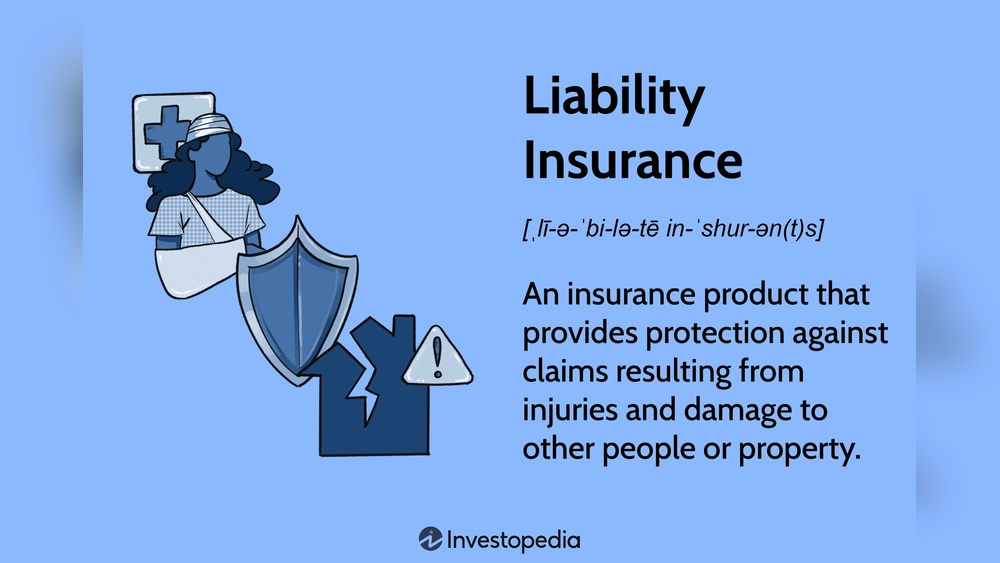
If you run a business, protecting yourself from unexpected employee injury claims is not just smart—it’s essential. Your Employer Liability Policy can be the shield that saves your company from costly legal battles and financial losses.
But what exactly does this policy cover? How does it differ from workers’ compensation? And most importantly, how can you make sure your business is fully protected? In this guide, you’ll get clear, straightforward answers to these questions and more.
By the time you finish reading, you’ll know exactly how to secure your business and safeguard your future with the right employer liability coverage. Don’t wait until it’s too late—let’s dive in and make sure your business is covered the way it should be.

What Employer Liability Covers
Employer liability insurance protects businesses against costs from employee injuries or illnesses. It covers medical bills and legal fees if the company faces a lawsuit. When an employee gets hurt at work, the policy helps pay for their lost wages during recovery.
This insurance also handles third-party lawsuits. Sometimes, another person sues the employer because of the employee’s injury. The policy provides financial protection in such cases.
| Coverage Area | What It Includes |
|---|---|
| Injuries and Illnesses | Costs for workplace accidents and health issues |
| Legal and Medical Expenses | Payment for doctors, hospitals, and lawyer fees |
| Lost Wages Compensation | Money paid to employees unable to work |
| Third-Party Lawsuits | Protection if others sue the employer |
Common Employer Liability Claims
Negligence in workplace safety often leads to claims. Employers must keep the environment safe. Failure to do so can cause serious accidents. Unsafe equipment, poor training, or lack of safety rules can result in claims. These claims hold employers responsible for injuries.
Accident and injury claims are common. Employees hurt at work may seek compensation. These claims cover medical bills and lost wages. Employers need proper insurance to handle such claims. Prompt reporting and investigation help manage risks.
Employment practices complaints arise from unfair treatment. Issues include discrimination, harassment, or wrongful dismissal. These claims affect workplace morale and legal costs. Employers should follow fair policies and document actions carefully.
Differences From Workers’ Compensation
Employer Liability Insurance protects businesses from legal claims by employees hurt at work. It covers situations where the employer is found legally responsible for injuries or illnesses. Workers’ Compensation is a no-fault system that pays benefits regardless of blame.
Claims under Workers’ Compensation are automatic and cover medical bills and lost wages. Employer Liability insurance handles third-party claims, lawsuits, and negligence cases where the employer is at fault.
| Aspect | Workers’ Compensation | Employer Liability Insurance |
|---|---|---|
| Coverage | No-fault, covers medical and wage loss | Legal claims due to employer negligence |
| Claims | Automatic, no proof of fault needed | Requires proof of employer’s fault or negligence |
| When It Applies | Work-related injuries or illnesses | Lawsuits from employees or third parties |
Key Benefits Of Employer Liability Insurance
Financial Protection helps cover costs if an employee gets hurt at work. It pays for medical bills and lost wages. This keeps your business safe from large expenses. Without this insurance, these costs could harm your company’s money.
Legal Defense Support means the insurance helps pay for lawyers if a lawsuit happens. It covers court fees and legal advice. This support reduces stress and protects your business reputation.
Employee Trust and Retention builds a safer workplace. Workers feel valued knowing they are protected. This trust helps keep good employees and lowers turnover. Happy employees work better and stay longer.
How To Choose The Right Policy
Assess your business risks by identifying potential workplace hazards. Consider the nature of your work and the likelihood of employee injuries. Evaluate past claims and injury records to understand common risks. This helps in choosing coverage that fits your business needs.
Policy limits and coverage options vary widely. Choose limits high enough to cover legal and medical costs. Decide if you want additional coverage, such as third-party liability or legal defense. Make sure the policy covers both employee injuries and related lawsuits.
Premium costs and deductibles affect your budget. Higher deductibles usually mean lower premiums but more out-of-pocket costs if a claim happens. Balance premium affordability with deductible amounts to avoid financial strain. Compare quotes from different insurers to find the best value.

Employer Responsibilities
Employers must keep the workplace safe to prevent accidents and injuries. Regular checks and clear safety rules help reduce risks. Workers should get training on safe practices and how to use equipment properly.
All incidents, even minor ones, require proper reporting and documentation. This helps track problems and shows that the employer takes safety seriously. Written records protect both the employer and employees in case of disputes.
| State Law Requirement | Description |
|---|---|
| Safety Standards | Follow local rules for workplace health and safety. |
| Insurance | Carry required employer liability and workers’ compensation insurance. |
| Employee Rights | Respect laws about fair treatment and safe working conditions. |
Meeting these duties reduces risks and keeps the business running smoothly.
Tips For Reducing Liability Risks
Employee training programs help workers understand safety rules clearly. Regular sessions keep everyone updated and reduce mistakes. Training boosts confidence and lowers accident chances.
Regular safety audits find hazards before they cause harm. Inspections help catch problems early. Fixing issues promptly keeps the workplace safer and cuts liability risks.
Clear communication of policies ensures all employees know the rules. Written and spoken instructions prevent confusion. Easy-to-understand policies help workers follow safety steps correctly.
Claims Process And Handling
Filing a Claim requires prompt action. Report the incident to your insurer as soon as possible. Provide clear and accurate details about the injury or illness. Keep all related documents like medical reports and witness statements handy. This helps speed up the claim process.
Working with Insurers means staying in regular contact. Answer any questions honestly and provide requested documents quickly. Insurers may send an adjuster to investigate the claim. Cooperation with the insurer can lead to a smoother resolution.
Managing Legal Proceedings involves understanding your rights and duties. Notify your insurer immediately if a lawsuit arises. Work with legal experts recommended by your insurer. Keep detailed records of all communications and documents related to the case.

Frequently Asked Questions
What Does An Employer’s Liability Policy Cover?
An employer’s liability policy covers legal costs and damages if employees sue for workplace injuries or illnesses not covered by workers’ compensation. It protects businesses from claims related to negligence, unsafe conditions, and third-party lawsuits involving employee harm.
What Are Common Employers Liability Claims?
Common employers liability claims include workplace injuries, occupational illnesses, negligence for unsafe conditions, and third-party lawsuits involving employee harm.
What Are The 4 Types Of Insurance Coverage?
The four types of insurance coverage are health, auto, home, and life insurance. Each protects against specific risks and losses.
What Is Covered In Employer Liability?
Employer liability covers legal costs, medical expenses, and lost wages if employees sue for workplace injuries or illnesses. It protects employers against negligence claims and third-party lawsuits related to employee harm. This insurance complements workers’ compensation by covering gaps in employee injury claims.
Conclusion
An employer liability policy helps protect your business from costly claims. It covers injuries or illnesses linked to work conditions. Understanding what it includes can save money and stress later. Keep your workplace safe and comply with legal rules. This guide offers clear, simple information to help you decide.
Review your coverage regularly to stay protected and prepared. Employers who plan ahead reduce risks and support their employees better.
Read More
- Business Interruption Policy Cost: How to Save Big and Stay Protected
- Contractor Policy Coverage Quote: Get the Best Rates Today!
- Commercial Policy Review Service: Boost Business Compliance Today
- Policy Coverage Gap Analysis: Uncover Risks and Boost Protection
- Custom Insurance Policy Options: Tailored Coverage for You
- Insurance Policy Comparison Tool: Find Best Deals Fast & Easy
- Policy Premium Savings Review: Unlock Hidden Benefits Today
- Affordable Coverage Policy Quote: Unlock Savings Today!
- Private Healthcare Policy Review: Essential Insights for 2026
- Employer Health Policy Comparison: Ultimate Guide to Smart Choices