
Are you wondering how much health coverage policy rates really cost and what factors influence them? Whether you’re shopping for yourself or your family, understanding these rates can save you money and stress down the line.
Health insurance isn’t just a monthly bill—it’s a safety net that protects your well-being and your wallet. You’ll discover what drives the cost of health coverage policies, how rates vary by location and plan type, and smart tips to find the best value for your needs.
Keep reading to take control of your health insurance choices and make sure you’re getting the coverage you deserve without paying more than necessary.
Average Health Insurance Costs
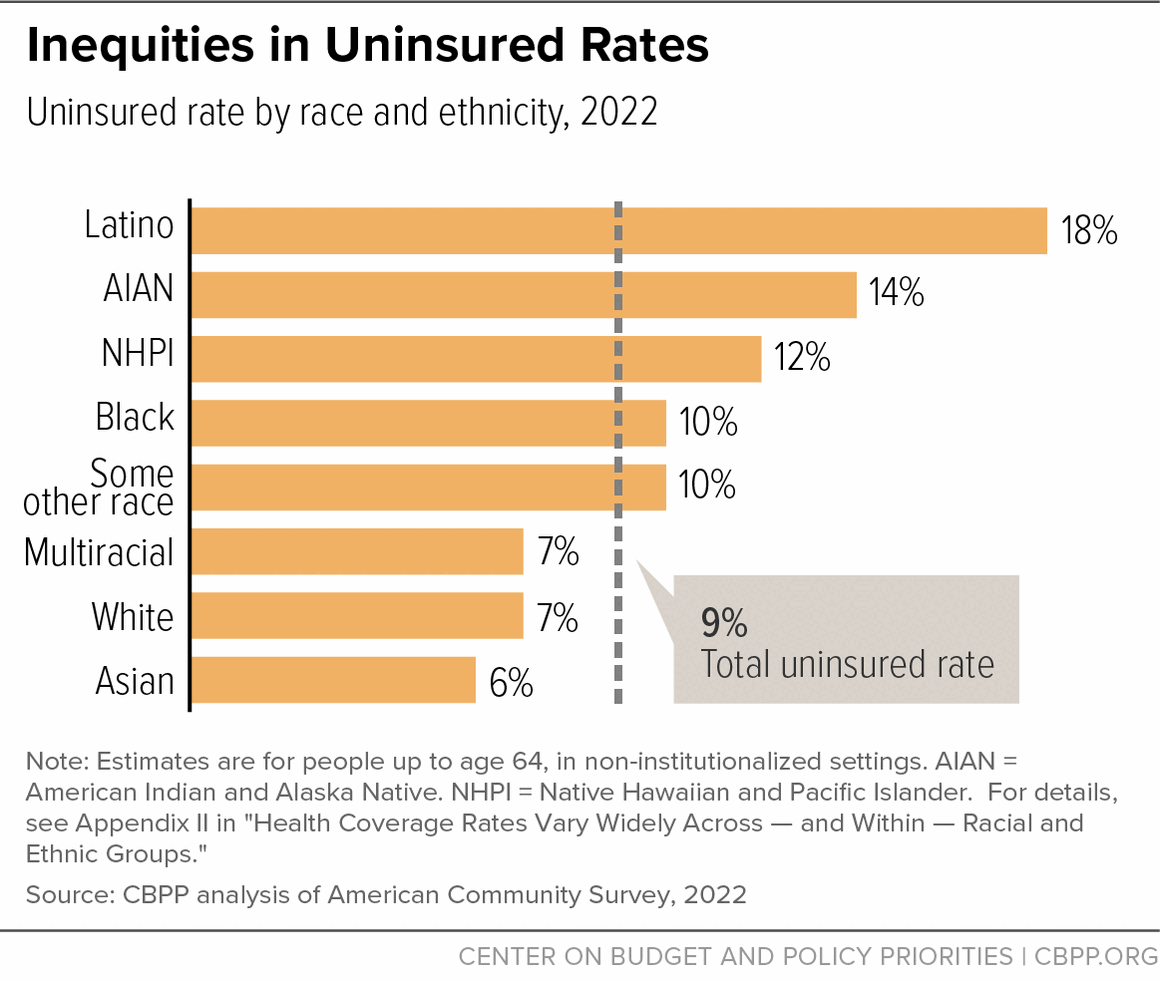
Health insurance monthly premiums vary by state and family size. States like California and Colorado have average premiums around $400. Others, such as Connecticut and Delaware, show higher costs above $500. Individuals usually pay less than families. Family plans can cost nearly twice as much. This is because they cover more people and services.
| State | Avg. Monthly Premium (Individual) | Avg. Monthly Premium (Family) |
|---|---|---|
| California | $432 | $1,150 |
| Colorado | $380 | $1,000 |
| Connecticut | $627 | $1,700 |
| Delaware | $549 | $1,450 |
Costs depend on the plan type, location, and age. Some states offer more affordable options. Families often choose plans with better coverage. Individuals might select cheaper plans with fewer benefits. Understanding these differences helps in budgeting for health care.
Factors Affecting Policy Rates
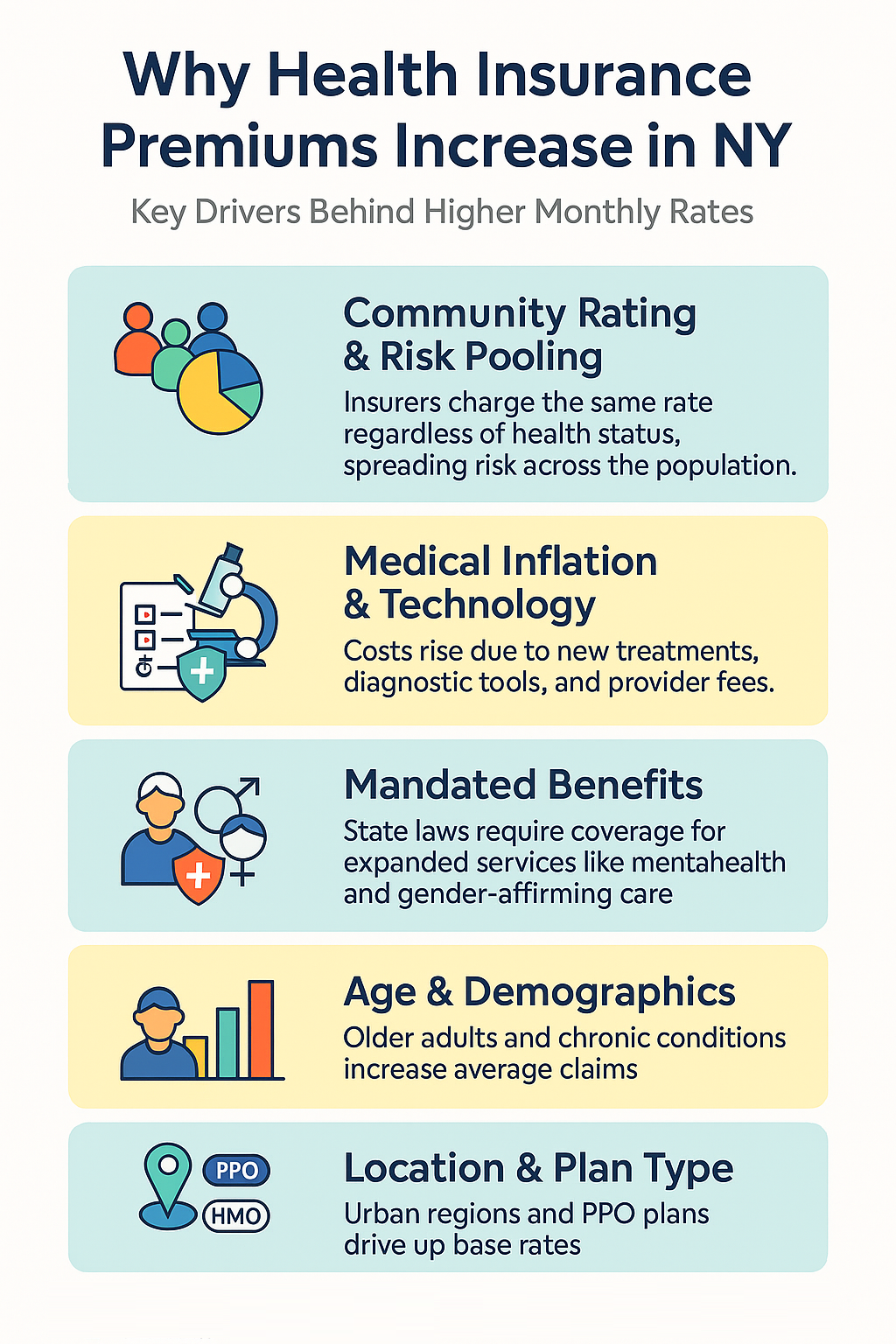
The type of health plan greatly affects policy rates. Basic plans cost less but cover fewer services. Comprehensive plans offer more benefits but have higher premiums.
Coverage tiers and benefits also influence prices. Plans with higher tiers cover more treatments and medicines. They usually require higher monthly payments.
Geographic location impacts rates as well. Urban areas often have higher costs due to more hospitals and doctors. Rural areas may have lower prices but fewer healthcare options.
Comparing Health Coverage Options
Marketplace plans often have set prices based on income and location. They may offer tax credits to lower monthly costs. These plans cover essential health benefits and follow government rules.
Private insurance usually has higher premiums but more choices in doctors and hospitals. Plans can vary a lot in price and coverage. You buy these plans directly from companies or agents.
| Marketplace Plans | Private Insurance | |
|---|---|---|
| Cost | Lower with subsidies | Varies, often higher |
| Choice | Limited networks | More options |
| Coverage | Essential benefits | Varies widely |
Employer-sponsored plans are often cheaper. Employers pay part of the premium. These plans may have good coverage but less flexibility.
Individual plans bought alone can be expensive. You choose your coverage and doctors. No employer help means paying full cost.

Savings Strategies For 2026
Maximizing subsidies and tax credits can lower your health plan costs significantly. These benefits help reduce monthly premiums and out-of-pocket expenses. Check eligibility early to get the best financial help. Use the official marketplace to apply and compare plans.
Choosing high-deductible plans usually means paying less monthly but more before insurance kicks in. These plans suit healthy people who rarely visit the doctor. Pairing this with a Health Savings Account (HSA) offers extra benefits.
Utilizing Health Savings Accounts lets you save money tax-free for medical expenses. Contributions lower taxable income. Funds roll over each year, so unused money stays available. HSAs work only with high-deductible plans and help build health savings long term.
Common Coverage Questions
Chronic conditions like diabetes or asthma often require ongoing care. Most health policies cover these conditions, but coverage details vary by plan. Patients should check if regular doctor visits and tests are included.
Prescription drugs are usually part of health coverage. Some plans cover generic drugs fully, while others require co-pays. Specialty medicines might need prior approval. Always review the drug list before choosing a plan.
Mental health services and specialized treatments have become more common in health policies. Coverage may include therapy sessions, counseling, or inpatient care. Some plans limit the number of visits, so understanding these limits is important.
Tools To Estimate Health Costs
Online cost calculators help estimate health insurance expenses quickly. Users enter basic details like age, location, and coverage type. These tools provide a rough monthly premium estimate, helping plan budgets.
Marketplace estimators show available plans and prices based on your state. They compare options side-by-side, showing deductibles, copays, and benefits. This helps find coverage that fits needs and money.
Consulting insurance providers gives personalized quotes. Agents explain plan details and answer questions. This method offers the most accurate cost estimates and clarifies coverage limits.
Frequently Asked Questions
How Much Does An Average Health Insurance Policy Cost?
The average health insurance policy costs about $400 to $600 per month in the U. S. Prices vary by state and plan type.
Does Health Insurance Cover Thyroid?
Most health insurance plans cover thyroid tests, treatments, and medications. Coverage depends on your specific policy details.
Is Parkinson’s Disease Covered By Health Insurance?
Health insurance often covers Parkinson’s disease treatments, including medications and therapies. Coverage varies by plan and provider.
What Health Insurance Covers Zepbound?
Most major health insurance plans, including Marketplace and private insurers, may cover Zepbound with prior authorization. Coverage varies by plan and state. Check your specific policy or contact your insurer to confirm coverage and requirements for Zepbound.
Conclusion
Understanding health coverage policy rates helps you plan your budget better. Rates vary by location, age, and plan type. Choosing the right plan ensures you get needed care without overspending. Always compare options carefully before deciding. Staying informed lets you make smart health insurance choices.
This knowledge protects your health and your wallet. Keep checking for updates to find the best rates. Health coverage matters for everyone’s peace of mind and security.
Read More
- Employer Liability Policy Guide: Essential Tips for Protection
- Business Interruption Policy Cost: How to Save Big and Stay Protected
- Contractor Policy Coverage Quote: Get the Best Rates Today!
- Commercial Policy Review Service: Boost Business Compliance Today
- Policy Coverage Gap Analysis: Uncover Risks and Boost Protection
- Custom Insurance Policy Options: Tailored Coverage for You
- Insurance Policy Comparison Tool: Find Best Deals Fast & Easy
- Policy Premium Savings Review: Unlock Hidden Benefits Today
- Affordable Coverage Policy Quote: Unlock Savings Today!
- Private Healthcare Policy Review: Essential Insights for 2026