
Choosing the right health insurance through your employer can feel overwhelming. You want coverage that fits your needs without breaking the bank, but with so many plans and details, it’s hard to know where to start.
What if you had a clear way to compare your options side by side? Understanding the differences in premiums, coverage, and benefits can save you money and give you peace of mind. You’ll discover practical tips to help you confidently evaluate employer health policies and pick the plan that works best for you and your family.
Keep reading, and take control of your healthcare choices today.
Types Of Employer Health Plans
Fee-for-Service Plans let you choose any doctor or hospital. You pay for each service, and the plan pays a part back. These plans give freedom, but costs can be higher.
Managed Care Plans use a network of doctors and hospitals. You usually need to see a primary doctor first. These plans help control costs and keep care organized.
Point-of-Service Plans combine features of managed care and fee-for-service. You get care inside or outside the network, but costs are lower if you stay inside.
Consumer-Driven Health Plans include high deductibles and health savings accounts. You pay more upfront but have more control over spending. Good for people who want to manage their own care costs.
Key Factors To Compare
Premium costs show how much you pay monthly for health coverage. Lower premiums save money but might mean higher costs later.
Deductibles and copayments are what you pay before insurance helps. Plans with low deductibles cost more upfront.
Coverage benefits explain what medical services are paid for. Check if your needs like doctor visits or hospital stays are included.
Provider networks list the doctors and hospitals you can use. Bigger networks give more choices but may cost more.
Prescription drug coverage shows how medicines are paid. Some plans cover more drugs with lower costs.
Employer Contributions And Incentives
Employer premium contributions often cover a large part of health insurance costs. This helps employees pay less for medical care. Many employers pay between 50% and 80% of the premium. Some plans require employees to cover the rest through payroll deductions.
Wellness program benefits encourage healthy habits. These programs may offer rewards like gift cards or lower premiums. They include activities such as fitness challenges, health screenings, and smoking cessation support. Employers save money when workers stay healthy.
Tax advantages for employees reduce overall costs. Employer contributions to health plans are usually tax-free. This means employees do not pay income tax on that money. Also, some wellness incentives are exempt from taxes. These benefits make health coverage more affordable.
%20(1).webp?width=1200&height=2250&name=PEO-vs-Small-Business-Insurance-Broker-Chart-larger-version%20(1)%20(1).webp)
Evaluating Plan Quality
Plan ratings reflect overall satisfaction and coverage quality. Many plans earn high marks for their benefit options and value for money. Reading reviews helps to understand real experiences from other employees.
Customer service is key. Plans with quick, friendly support make a big difference. Easy access to help by phone or online adds convenience and reduces stress.
Claims processing efficiency affects how fast you get reimbursed. Plans that approve and pay claims quickly avoid delays and confusion. This saves time and effort for both employer and employee.
| Aspect | What to Check | Why It Matters |
|---|---|---|
| Plan Ratings | Coverage, cost, benefits | Shows overall plan quality |
| Customer Service | Response time, friendliness | Ensures help is available |
| Claims Processing | Speed, accuracy, transparency | Faster payments, less hassle |
Tools For Comparing Plans
Online comparison calculators help estimate costs quickly. They show premiums, deductibles, and out-of-pocket expenses side by side. Users enter basic info for personalized results. These tools save time and clarify choices.
Spreadsheet analysis techniques allow deeper plan reviews. Lists of plan features, costs, and benefits can be compared in detail. Spreadsheets highlight differences in coverage and expenses. This method suits those who like numbers and details.
Official plan comparison tools come from government or insurance sites. They provide verified data on plan quality and coverage. Users can filter plans by needs like medication or specialist access. These tools ensure reliable and up-to-date info.

Special Considerations
Coverage for chronic conditions varies widely across employer health plans. Some policies include special programs for diabetes, asthma, or heart disease. Others may require higher co-pays or limits on treatments. Employees should check if their condition is fully covered.
Maternity and family planning benefits often include prenatal care, delivery, and postpartum support. Many plans also cover birth control methods and fertility treatments. These benefits can save families thousands of dollars in medical costs.
Mental health services are becoming a key part of employer policies. Coverage usually includes therapy, counseling, and medication. Some plans offer 24/7 support lines or access to specialists without referrals.
Telehealth options allow employees to consult doctors online. This service often reduces wait times and travel costs. Telehealth is especially helpful for minor illnesses or follow-up visits.
Employer Vs Individual Health Insurance
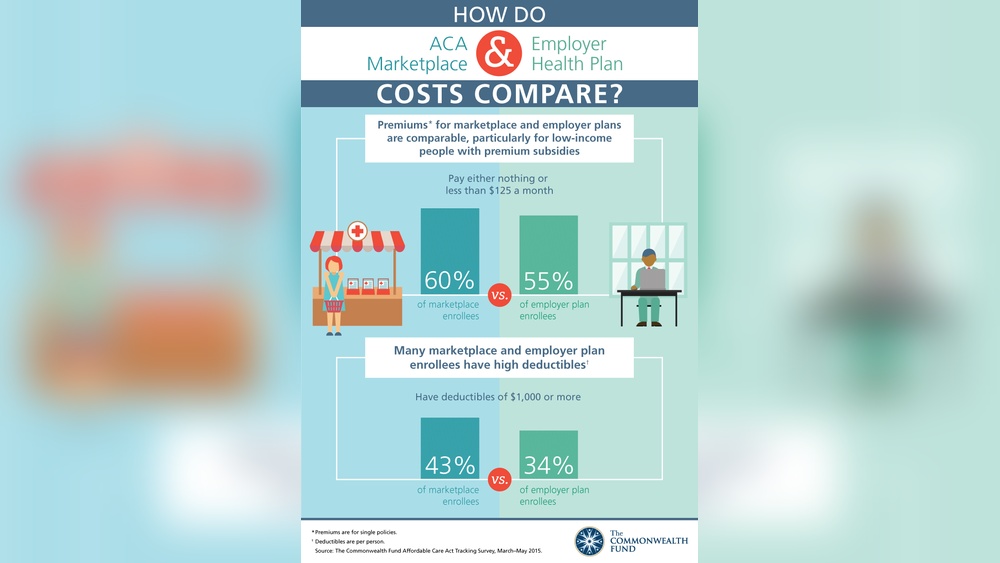
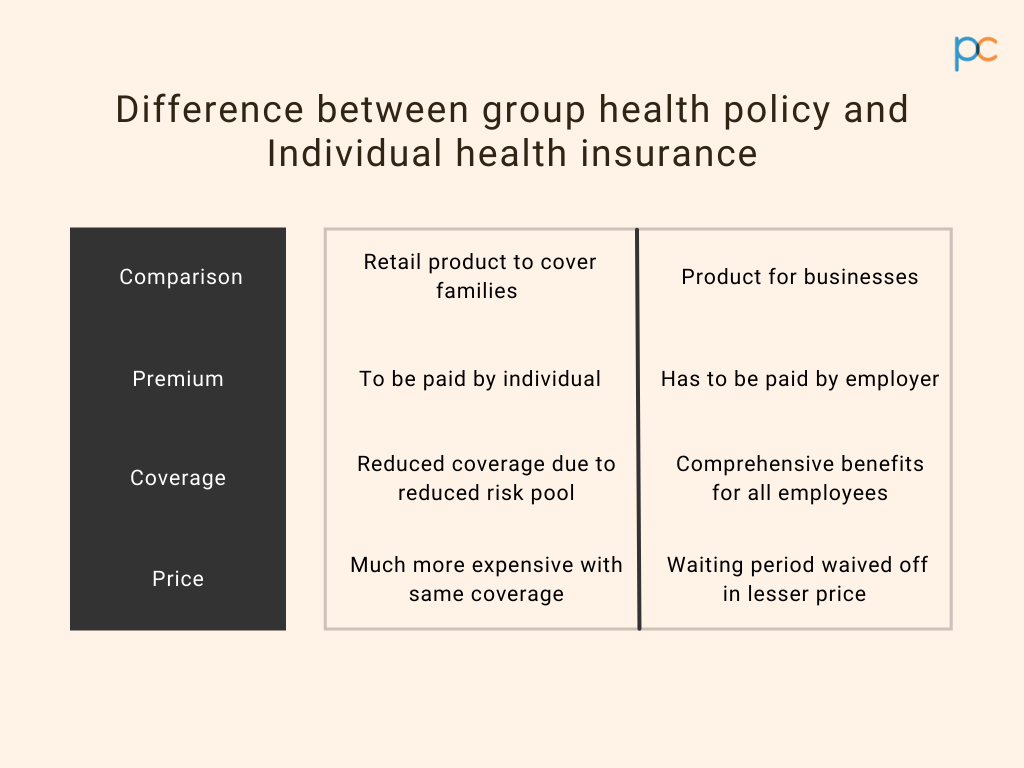
Employer health insurance usually costs less per month. Employers pay part of the premium. Individuals pay the full premium alone. This makes employer plans often more affordable.
Employer plans may have less coverage flexibility. Employees choose from limited options. Individual plans offer many choices tailored to needs. You can pick the best coverage for you.
Eligibility rules differ greatly. Employer plans require you to work there. Enrollment happens during set periods. Individual plans allow anyone to apply anytime or during open enrollment. No job needed.
Comparing Plans Across Employers
Employers may offer single or multiple health plan options. Single plan options simplify choices but might limit coverage types. Multiple plans give employees more flexibility to pick what fits their needs best. Comparing plans side-by-side helps reveal differences in premiums, deductibles, and covered services.
| Feature | Single Plan Option | Multiple Plan Options |
|---|---|---|
| Choice | Limited to one plan | Several plans to choose from |
| Coverage Variety | Standard coverage | Wide range of coverage levels |
| Cost | Usually lower admin costs | May have varied premiums |
Employees should negotiate benefits by asking about premium sharing, wellness programs, and out-of-pocket limits. Clear communication helps employers understand worker needs. This process may improve plan options and reduce costs for all.
Tips For Making Smart Choices
Assessing Your Healthcare Needs means thinking about your current health. Consider your age, any ongoing treatments, and family health history. This helps you pick a plan that fits your situation. Don’t forget to check if your preferred doctors and hospitals are covered.
Projecting Medical Usage requires guessing how often you might visit a doctor or need medicine. Look at past years’ doctor visits and prescriptions. This helps avoid paying for coverage you don’t need or missing important benefits.
Balancing Cost and Coverage means comparing monthly premiums and out-of-pocket costs. Sometimes cheaper plans cost more when you use services often. Choose a plan with the right mix of price and benefits for you.
Seeking Expert Advice can save you time and money. Talk to benefits counselors or insurance agents. They explain terms and help you understand fine print. Always ask questions if you are unsure about anything.
Health Plans For Small Businesses
Small businesses can choose from several health plan options. These include HMO, PPO, and HDHP plans. Each plan offers different coverage levels and costs.
Group health insurance offers many benefits. It often covers preventive care, doctor visits, and prescriptions. Employees usually pay less than with individual plans. Employers may save on taxes too.
| Cost Management Strategy | Details |
|---|---|
| Wellness Programs | Encourage healthy habits to reduce claims and premiums. |
| Plan Design | Choose plans with higher deductibles to lower premiums. |
| Employee Contributions | Share premium costs between employer and employees. |
| Network Selection | Use providers with negotiated lower rates. |
Frequently Asked Questions
What Factors Should I Consider In Employer Health Policy Comparison?
Consider premiums, deductibles, coverage benefits, network providers, and out-of-pocket costs. Comparing these factors helps select the best plan for your needs and budget.
How Does Employer-sponsored Insurance Differ From Individual Plans?
Employer plans often have lower premiums and employer contributions. Individual plans offer more flexibility but may have higher costs and fewer benefits.
Can I Compare Health Policies From Different Employers Easily?
Yes, use online plan comparison tools to evaluate coverage, costs, and benefits side-by-side. This simplifies decision-making when switching jobs or choosing multiple plans.
What Are Common Types Of Employer Health Insurance Plans?
Typical plans include fee-for-service, managed care, point of service, and consumer-driven health plans. Each varies in cost structure and provider access.
Conclusion
Choosing the right employer health policy takes careful thought. Compare costs, coverage, and benefits side by side. Consider your health needs and budget limits. A clear comparison helps avoid surprises later. This way, you find a plan that suits you best.
Stay informed and review options often. Your health and wallet will thank you.
Read More
- Employer Liability Policy Guide: Essential Tips for Protection
- Business Interruption Policy Cost: How to Save Big and Stay Protected
- Contractor Policy Coverage Quote: Get the Best Rates Today!
- Commercial Policy Review Service: Boost Business Compliance Today
- Policy Coverage Gap Analysis: Uncover Risks and Boost Protection
- Custom Insurance Policy Options: Tailored Coverage for You
- Insurance Policy Comparison Tool: Find Best Deals Fast & Easy
- Policy Premium Savings Review: Unlock Hidden Benefits Today
- Affordable Coverage Policy Quote: Unlock Savings Today!
- Private Healthcare Policy Review: Essential Insights for 2026