
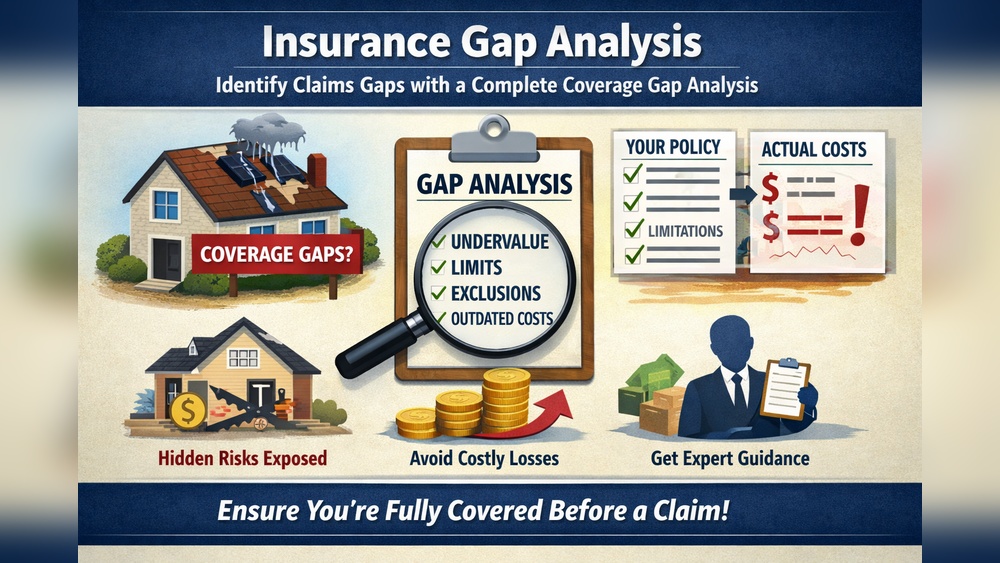
Are you confident that your current insurance policy fully protects you from unexpected risks? Many people discover too late that their coverage leaves gaps—exposing them to costly surprises when they need protection the most.
That’s where a Policy Coverage Gap Analysis becomes essential. By carefully examining your existing insurance policies against the real risks you face, this process uncovers hidden vulnerabilities and ensures you’re not leaving anything to chance. You’ll learn how to identify these gaps and take action to safeguard your assets and peace of mind.
Keep reading to find out how a simple analysis could save you from big headaches down the road.
Policy Gap Basics
A coverage gap happens when your insurance does not fully protect you. It leaves you exposed to risks that could cause financial loss. Common types include underinsurance, missing policy features, and limits too low for your needs.
These gaps matter because they can result in big out-of-pocket costs. Without full coverage, you may pay for repairs, medical bills, or legal fees yourself. Identifying gaps helps you fix weak spots and avoid surprises.
| Common Coverage Gaps | What It Means |
|---|---|
| Underinsurance | Policy limits too low for actual value or risk |
| Excluded Risks | Certain damages or events not covered by policy |
| Coverage Limits | Caps on payments that may not match potential loss |
| Policy Lapses | Periods when no coverage is in force |
Assessing Current Coverage
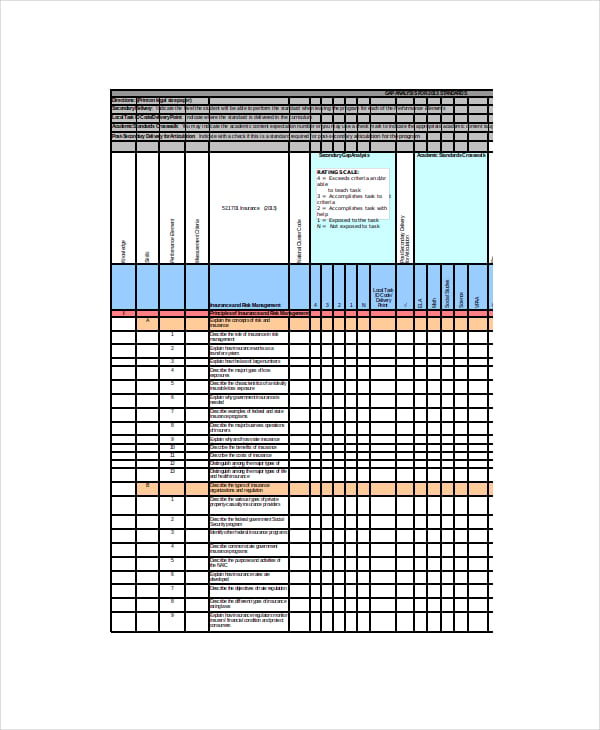
Start by reviewing all existing insurance policies. Check each policy’s terms, limits, and exclusions. Look for any expired or outdated coverage. This helps understand what is currently protected.
Next, identify risk areas that your policies might miss. Think about natural disasters, liability risks, and asset protection. Some risks may need additional or specialized coverage. Make a list of these uncovered areas.
Finally, compare your current coverage to your actual needs. Consider changes in property value, business operations, or personal circumstances. This highlights any coverage gaps or overlaps. Use this to plan necessary updates or new policies.
Tools For Gap Analysis
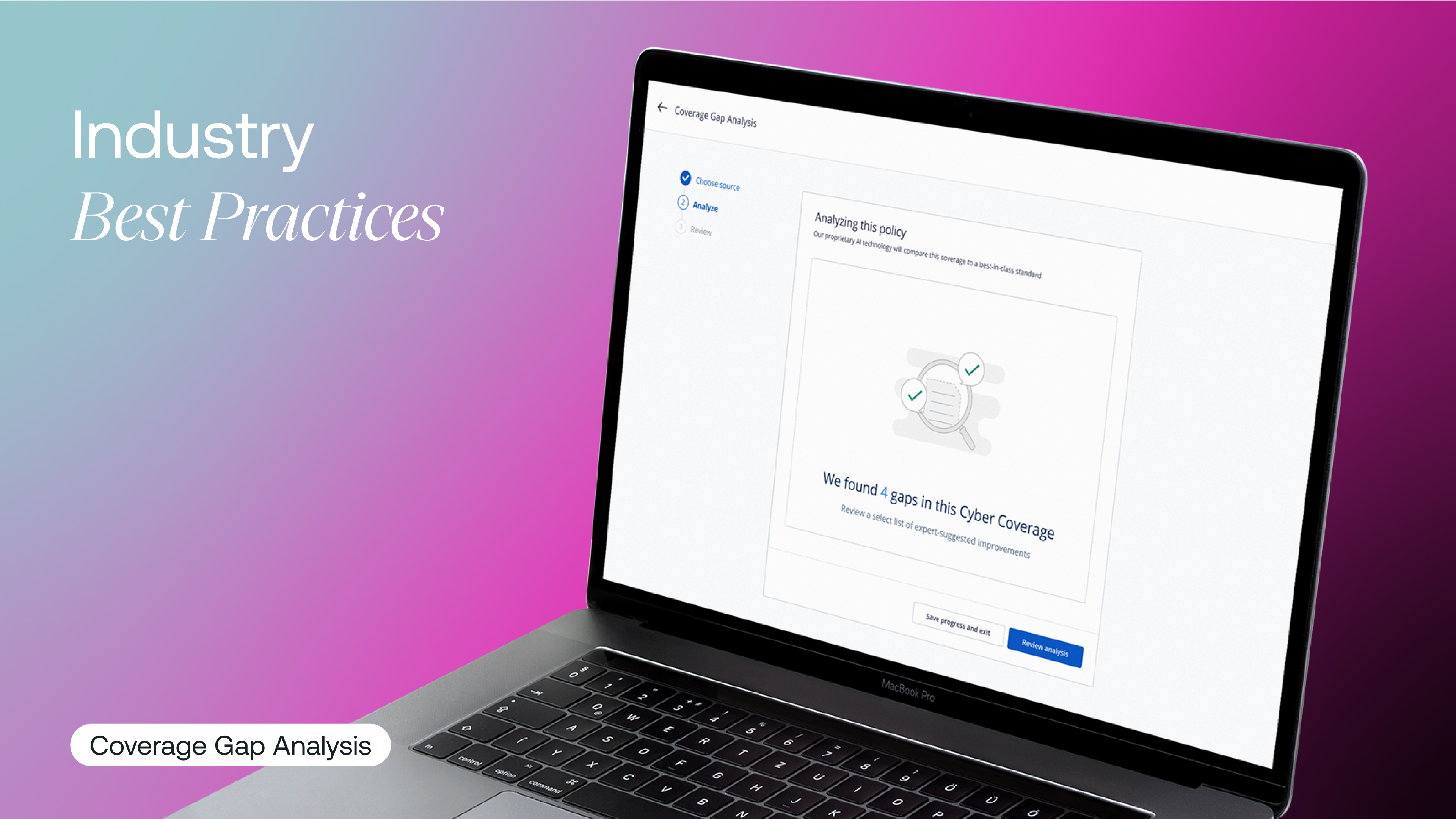
Manual gap analysis involves reviewing policies line by line. It is time-consuming and may miss some details. Automated methods use software tools to scan policies quickly. These tools highlight missing coverage and risks.
Using AI and data analytics makes gap analysis faster and more accurate. AI can compare thousands of policy details instantly. Data analytics helps spot trends and common coverage gaps. This leads to better decisions and fewer risks.
| Benefits of Gap Analysis Software | Description |
|---|---|
| Speed | Quickly processes many policies in minutes. |
| Accuracy | Reduces human errors in identifying gaps. |
| Consistency | Applies the same rules to all policies. |
| Insights | Provides reports and data visualization. |

Steps To Conduct Gap Analysis
Start by collecting all policy documents. Review each policy carefully to understand the coverage details. Note the types of risks covered and the limits set. This step ensures no important policy is missed.
Next, assess risk exposure by listing potential risks your organization faces. Compare these risks against existing policy protections. This helps reveal where coverage might be insufficient or missing.
Write down any coverage shortfalls found during the comparison. Use clear descriptions to explain each gap. This documentation creates a clear picture of vulnerabilities.
Finally, prioritize gaps based on risk impact and likelihood. Focus on the most critical gaps first. This approach helps allocate resources efficiently to improve overall protection.
Common Risks Uncovered
Liability exposures often miss coverage for legal claims from accidents or injuries. Many policies do not protect against lawsuits from third parties. This leaves businesses open to costly legal fees and settlements.
Property and asset risks include damage or loss of buildings, equipment, and inventory. Some policies exclude natural disasters or theft, creating gaps. Without full coverage, repair and replacement costs fall on the owner.
Employee and labor issues such as wrongful termination or discrimination claims may be uncovered. Not all policies cover legal costs or settlements for employee disputes. This puts companies at financial risk.
Cybersecurity and data loss risks are growing fast. Many policies lack coverage for hacking, data breaches, or cyberattacks. Missing this protection can lead to huge expenses and loss of customer trust.
Strategies To Close Gaps
Adding endorsements and riders can tailor your insurance policy to fit specific needs. Endorsements add extra coverage for unique risks not included in the base policy. Riders adjust benefits or terms to better protect assets or health. These options help close coverage gaps without buying a new policy.
Adjusting coverage limits ensures your insurance matches your current risk level. Increasing limits protects against higher costs from claims or damages. Decreasing limits can reduce premiums but may leave exposure if done incorrectly. Regular reviews keep coverage balanced and effective.
Working with insurance advisors provides expert guidance. Advisors analyze your risks and recommend policy changes to close gaps. Their knowledge helps find affordable options and avoid underinsurance. Collaborating with them keeps your coverage up to date and suitable.
Benefits Of Gap Analysis
Gap analysis helps find missing coverage in insurance policies. It improves risk management by showing where protection is weak. This lets you fix problems before they become big issues.
It also saves money. Knowing what you really need means no paying for extra coverage. This cost efficiency helps keep budgets in check.
Claims become easier to handle. If coverage fits risks well, claims get paid faster. This leads to better claims outcomes and less stress.
Most of all, gap analysis gives peace of mind. You can feel sure your policy protects you well. No surprises when something happens.
Case Studies
Small Business Example: A local bakery found its insurance did not cover equipment breakdown. This gap meant costly repairs had to come from savings. By identifying this coverage gap, the bakery added a policy to protect its ovens and mixers.
Homeowner Coverage Gap: A homeowner believed their policy covered flood damage. After a storm, they learned that flood insurance was not included. This gap left them paying thousands out of pocket for repairs.
Professional Practice Analysis: A consultant’s policy covered general liability but missed cyber risk. A data breach exposed client information, causing financial loss. Adding cyber coverage filled this important gap to protect future risks.
Maintaining Coverage Over Time
Regular policy reviews help keep your insurance up to date. Review policies at least once a year. This ensures coverage matches your current needs. Changes in business size or operations can create new risks. Adjusting your policy protects against these evolving threats.
Responding to business changes is crucial. New products, services, or locations may need extra coverage. Employees and equipment changes also affect risk levels. Staying aware helps avoid unexpected gaps in protection.
Updating for new risks keeps your policy relevant. Emerging threats, like cyberattacks or natural disasters, can impact your business. Adding coverage for these risks reduces potential losses. Regular updates help maintain strong, comprehensive protection.
Frequently Asked Questions
What Is The Gap Analysis Of Insurance Policy?
Insurance gap analysis reviews current policies to identify insufficient coverage against potential risks and liabilities. It helps ensure adequate protection and risk management.
How To Do A Policy Gap Analysis?
To do a policy gap analysis, review current policies, list coverage areas, identify missing risks, compare with desired coverage, and address gaps found.
What Is Coverage Gap Analysis?
Coverage gap analysis reviews current insurance policies to identify missing or inadequate coverage. It highlights risks not fully protected. This process ensures your insurance matches potential liabilities and financial needs. Coverage gap analysis helps prevent unexpected out-of-pocket expenses due to insufficient policy limits or exclusions.
Can Chatgpt Do A Gap Analysis?
Yes, ChatGPT can perform a gap analysis by comparing current and desired states using clear context. It identifies differences effectively.
Conclusion
A policy coverage gap analysis helps find missing insurance protection. It compares your current policy to real risks you face. This process ensures you avoid costly surprises later. Regular reviews keep your coverage aligned with changing needs. Knowing your gaps means you can make smarter insurance choices.
Protect your assets by closing these gaps early. Stay informed, stay covered, and reduce financial risks today.
Read More
- Employer Liability Policy Guide: Essential Tips for Protection
- Business Interruption Policy Cost: How to Save Big and Stay Protected
- Contractor Policy Coverage Quote: Get the Best Rates Today!
- Commercial Policy Review Service: Boost Business Compliance Today
- Custom Insurance Policy Options: Tailored Coverage for You
- Insurance Policy Comparison Tool: Find Best Deals Fast & Easy
- Policy Premium Savings Review: Unlock Hidden Benefits Today
- Affordable Coverage Policy Quote: Unlock Savings Today!
- Private Healthcare Policy Review: Essential Insights for 2026
- Employer Health Policy Comparison: Ultimate Guide to Smart Choices